

 admin
admin
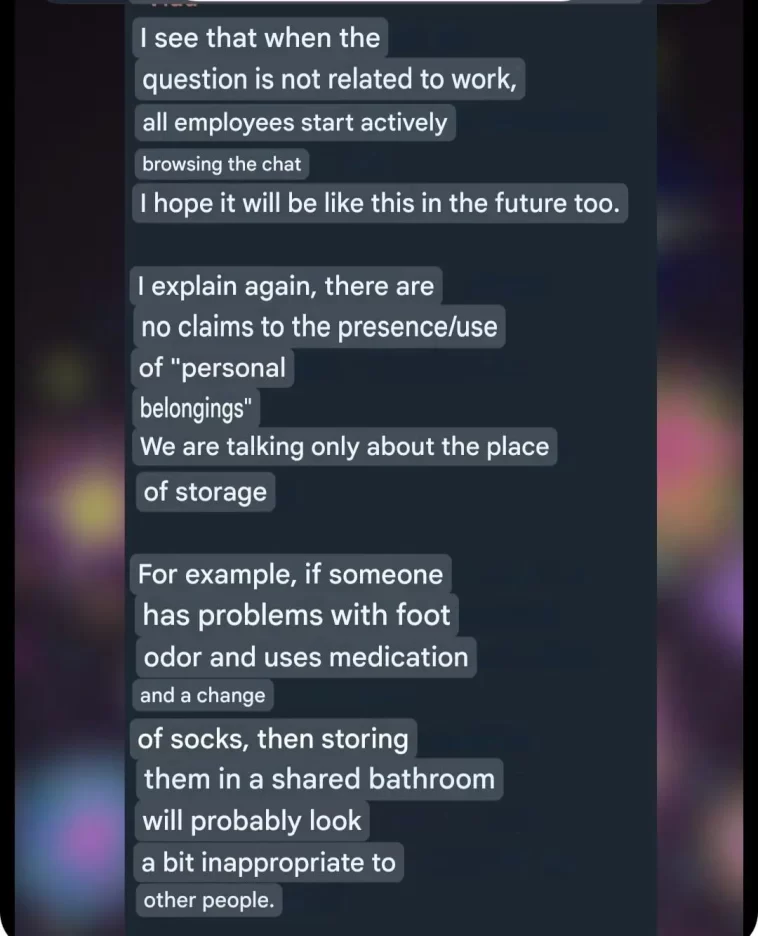
A boss sending an inappropriate message to a work chat isn’t exactly new, but one particular incident has set off a storm of reactions online that just can’t be ignored. In this case, a twenty-something guy, the only male on a predominantly female team, decided to share his thoughts about unused tampons left in the bathroom. Not the impeccable office observation of the year. Instead, this became an unexpected catalyst for conversations about sexism, health, and workplace dynamics.
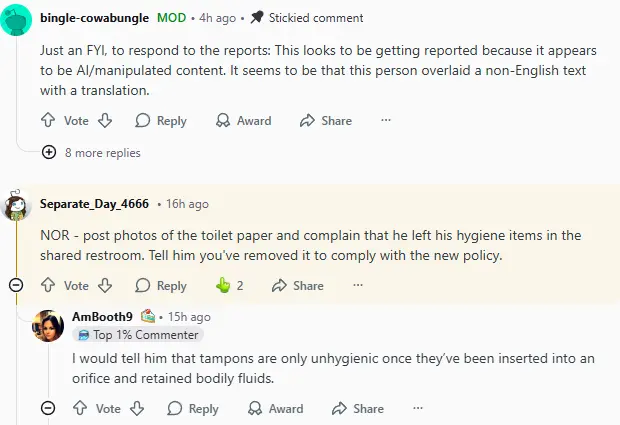
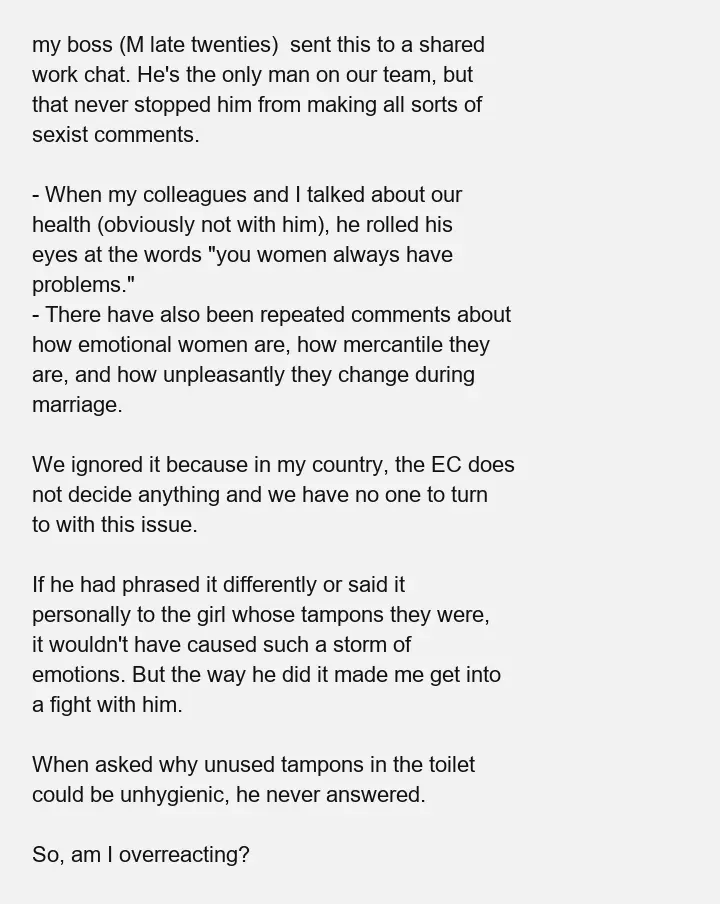
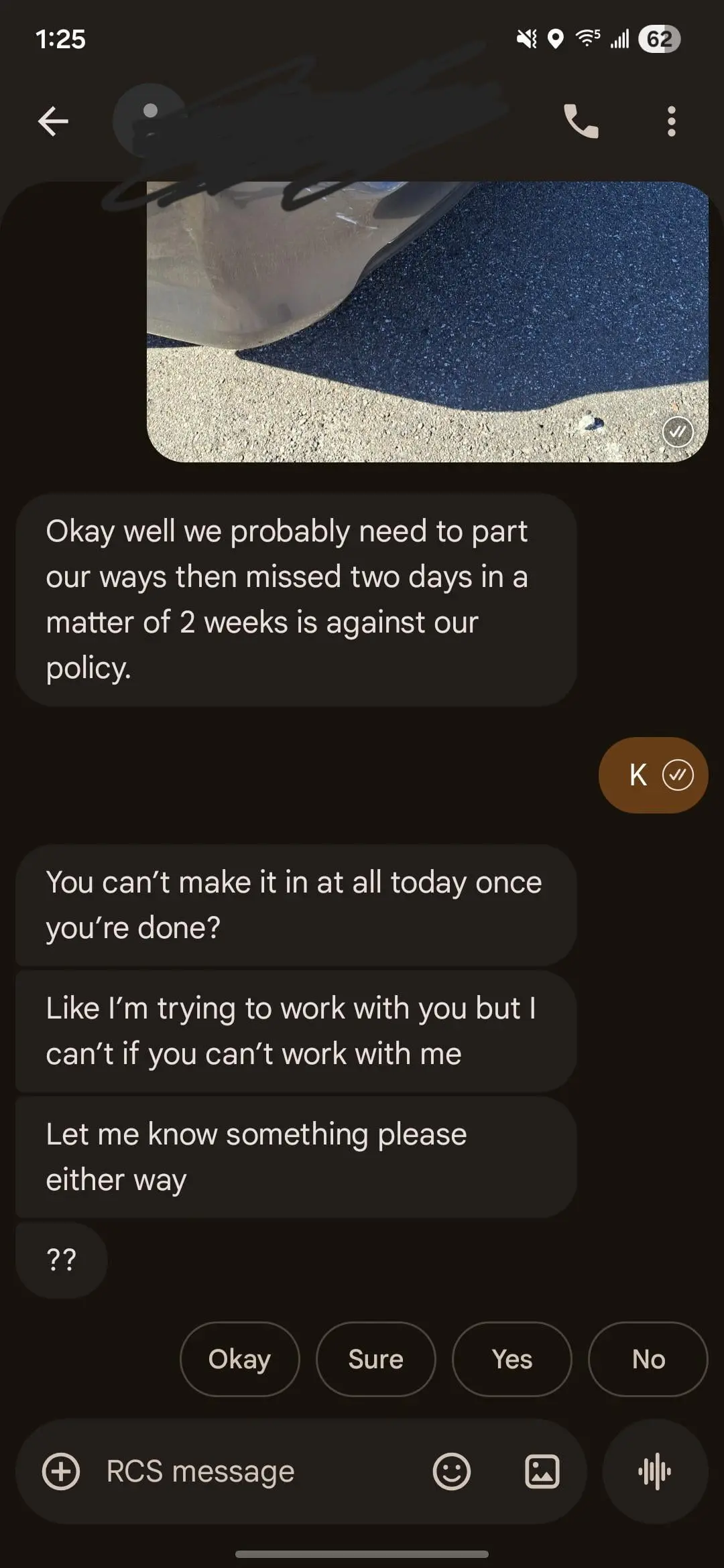
This situation first popped up on Reddit, where someone shared a screenshot of the message, leading to immediate outrage and disbelief. The thread exploded as commenters chimed in with their experiences—everyone related in some way to the “only man in the room” trope. Many could almost hear the eye roll when he threw out phrases about women’s health issues or got a tad too personal during casual chats. It’s almost like there’s a playbook for how to ignore a genuinely uncomfortable situation and still come off as the “jokester.”
As the post gained traction, comments started stacking up. People wouldn’t stop picking apart that phrase about hygiene, using it to underline the whole problem. “If he thinks tampons are unhygienic, what does he really think about women in general?” became the unspoken question hanging in the air. This wasn’t just about some unwanted commentary; it became a flashpoint for discussing how women’s issues are often dismissed and trivialized, especially in a workplace setting.
The emotional undercurrent in the comments was palpable. Some were frustrated, others disappointed, but a common thread of disbelief ran through it all. The gut feeling that a man should have known better, should have handled this differently, but consistently failed to do so… it stung. Many felt empowered to share their own horror stories in retaliation, telling tales of that one time a boss thought it was okay to make a crack about women being “too emotional.” It was a place for solidarity and shared irritation, but also a reminder that so many believe it’s just part of modern work culture.
And for those who faced similar daily battles, the collective irritation made it evident: this wasn’t just a trivial work chat—it was a symptom of a much bigger problem, and the cycle didn’t seem to end. It left everyone wondering how to deal with it when workplace norms still allow such behavior to fester. It’s a situation that sparked conversation and camaraderie, but also that lingering question—when is enough really enough?
GIPHY App Key not set. Please check settings