

 admin
admin

There’s been a lot of buzz lately about surprising laws from around the world, and one that’s been
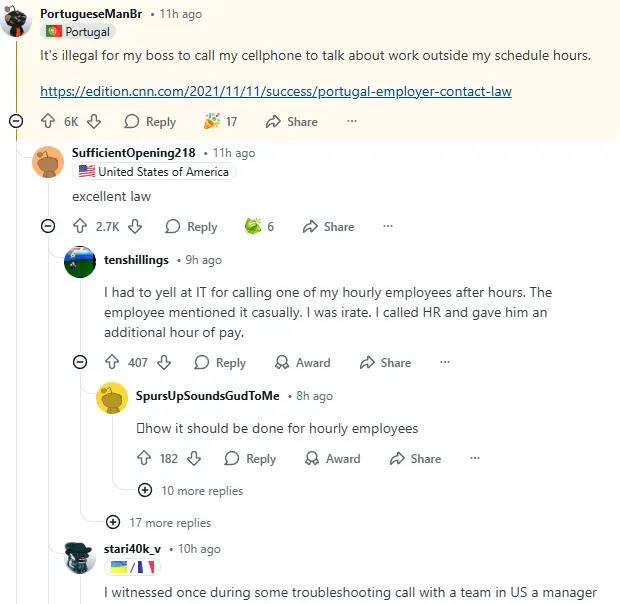
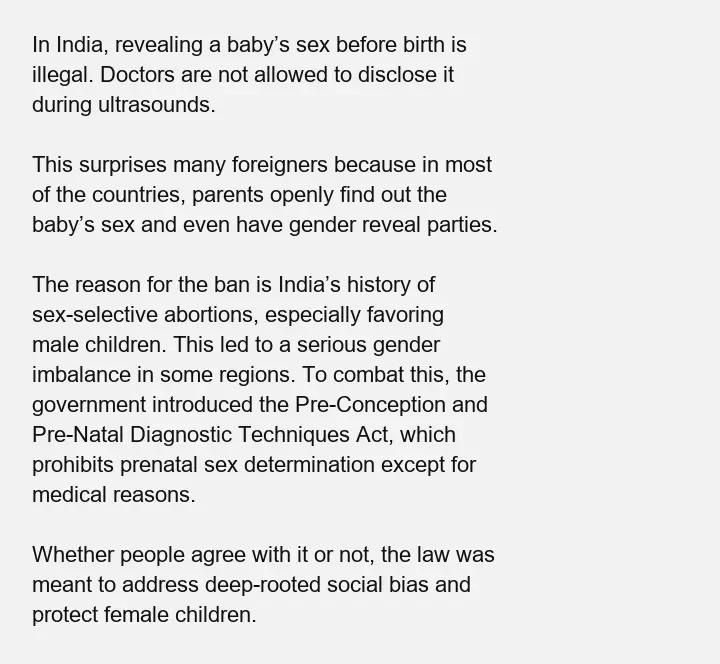
lighting up social media is the ban on revealing a baby’s sex before birth in India. Seems wild, right? For many, the idea that parents can’t find out if they’re having a boy or a girl until birth flies in the face of those Instagram-worthy gender reveal parties that seem to be a staple in so many cultures. Nothing like a balloon popping to reveal pink or blue confetti, but that’s just not how it goes in India.
This law, stemming from a serious context, caught attention after some influential posts on Reddit spark
ed conversations about the complexities of gender and societal norms. The tragic history of sex-selective abortions in India, particularly favoring boys, is why the government enacted the Pre-Conception and Pre-Natal Diagnostic Techniques Act. It’s amazing how something that’s almost commonplace in certain cultures is completely off the table elsewhere due to deeply entrenched social issues. The conversation around this law started to pick up traction, with people sharing their disbelief and even sparking debates about parental rights.
As reactions poured in, it seemed like everyone had something to say. Comments ranged from genuine shock to a few who tried to justify it by pointing out the significant gender imbalance in the country. There was this underlying tone of collective incredulity mixed with a sprinkle of empathy for the cultural context behind the law. It’s not just a law; it’s a reflection of a society grappling with age-old biases. And many couldn’t help but share their opinions on how such practices clash with the freedom of choice so prevalent in other parts of the world.
For some people, the law felt like an oppressive measure, while others recognized it as a necessary step towards protecting future generations. The duality of reaction showcased how global perspectives can diverge widely. The discussions went everywhere, with threads lighting up as folks unpacked their own cultural frameworks, often getting a little personal. The sentiment around it felt a bit unresolved; how do you even gauge the rightness or wrongness of a law that has such intricate ties to societal issues? It’s a situation that likely leaves many outside of India scratching their heads, trying to wrap their minds around a reality that just doesn’t exist where they live.
GIPHY App Key not set. Please check settings