

 admin
admin
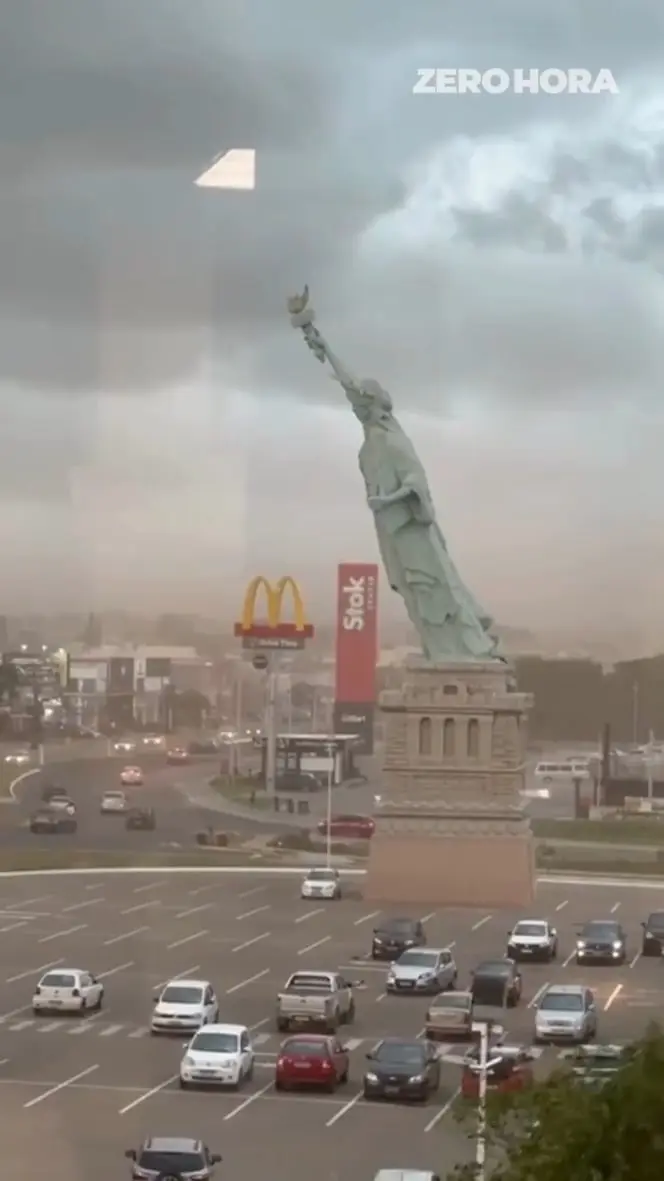
Few people seemed prepared for how strongly it landed. The sudden collapse of a replica of the Statue of Liberty in Brazil, following a storm, registered with an unexpected weight. The image of the iconic figure tumbling over a parking lot evoked an array of visceral responses, each tinged with a mix of disbelief and discomfort. It was a moment that seemed to hang in the air, almost frozen, as observers grappled with its implications without yet fully understanding their depth.
In the aftermath, reactions poured in, revealing a spectrum of emotions and thoughts. Many found themselves drawn to the juxtaposition of the fallen statue against the backdrop of a McDonald’s sign, an image that stirred conversations about capitalism and cultural identity. Some articulated a sense of collective sentiment, as if this incident encapsulated a broader feeling of disillusionment. The statue’s descent felt like a metaphor for current times, a striking visual that resonated with a certain zeitgeist. As it lay among parked cars, it prompted reflections on what this symbol, once a beacon of hope, now represented in a world marked by turbulence and uncertainty.
Once the initial reaction passed, the tone shifted noticeably. Observers began to sift through their feelings, moving from shock to a more contemplative stance. Some noted the absurdity of the situation, a surreal moment that felt almost comical yet painfully resonant. The image of Lady Liberty, a figure often associated with freedom and aspiration, now lying defeated, sparked a dialogue about the fragility of ideals in the face of harsh realities. This was not merely about a statue; it was about the narratives we construct around symbols and how they can falter under pressure.
The emotional texture of the comments reflected this complexity. There was a palpable sense of frustration among those who saw the incident as an indictment of contemporary society. The image of the statue crumbling in front of commercialism struck a nerve, prompting discussions about the erosion of values in an increasingly capitalist landscape. Others took a more neutral stance, focusing on the bizarre nature of the event itself, yet even these observations carried an undercurrent of unease. The reactions seemed to coalesce around a shared recognition that this was not just a physical collapse; it was a moment that felt laden with implications.
Even as the discussion quieted, its impact remained unresolved. The image of the fallen statue lingered in the minds of those who encountered it, a haunting reminder of the tension between ideals and reality. It served as a catalyst for reflection, sparking conversations that traversed personal, cultural, and societal dimensions. In the end, the event became more than a mere incident; it transformed into a lens through which to examine the state of contemporary life, leaving a lingering question about what such symbols mean in a world that often feels chaotic and uncertain.
GIPHY App Key not set. Please check settings