

 admin
admin
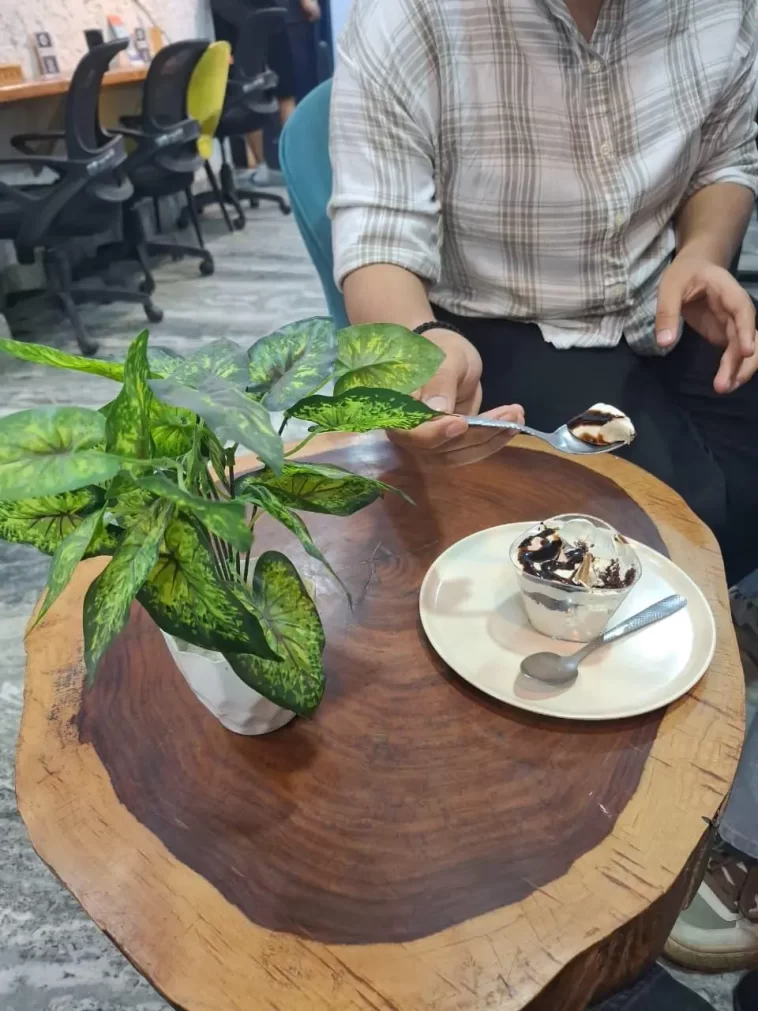
Few people seemed prepared for how strongly it landed. The moment hung in the air, a peculiar blend of anticipation and discomfort, as five colleagues gathered around a table, eyes darting between each other and the single dessert that lay before them. It was an ice cream sundae, meant to be shared, yet the gesture felt heavy with unspoken implications. The scene registered as both casual and oddly stilted, a social experiment gone awry, where the joy of a treat was overshadowed by the reality of sharing a single spoon.
The reactions that followed were swift and revealing. A palpable frustration emerged from this shared experience, as many felt that the act of splitting one dessert five ways was somehow worse than receiving nothing at all. The idea of a “treat” transformed into an almost mocking reminder of office dynamics, stirring a sense of indignation that suggested deeper issues at play. It seemed to reflect a broader sentiment about workplace culture, where gestures of camaraderie could morph into uncomfortable instances of restraint or even insult. Some expressed that they would have preferred to go home rather than partake in what felt like a deliberate slight, an awkward moment that lingered longer than it should have.
Once the initial reaction passed, the tone shifted noticeably. What began as disbelief and annoyance transitioned into a collective contemplation of the underlying significance of such a gesture. Conversations drifted towards the implications of this act; it seemed less about the dessert and more about the relationship between manager and team. Sharing a single dessert could be interpreted as a metaphor for shared burdens, where the intent behind the gesture was overshadowed by its execution. The idea that this was a “treat” became a focal point for frustration, highlighting the disparity between expectation and reality. For many, the experience felt like a slap in the face, as if the act itself was a means to reinforce a hierarchy rather than foster a sense of community.
In the background, there were murmurs of similar experiences, where expectations of generosity were met with a stark reality of self-service. The atmosphere seemed charged with a mix of humor and disbelief, as some recounted their own experiences of being told they would have to pay for their own drinks during after-work gatherings. This shared understanding of workplace dynamics added layers to the reaction, weaving a narrative of collective dissatisfaction and social awareness. The emotional texture of these reactions was rich, revealing not just annoyance, but a longing for recognition and respect within professional relationships.
Attention moved on, though the reaction lingered in memory. The incident became a touchstone for discussions about the nuances of workplace interactions and the subtle ways in which power dynamics manifest in everyday scenarios. What started as a simple outing for a treat revealed deeper issues of affinity and authority, leaving individuals to grapple with the implications of such moments in their professional lives. The lingering impression of that dessert, meant for sharing yet ultimately isolating, served as a quiet reminder of the complexities that lie beneath seemingly benign gestures.
GIPHY App Key not set. Please check settings