

 admin
admin
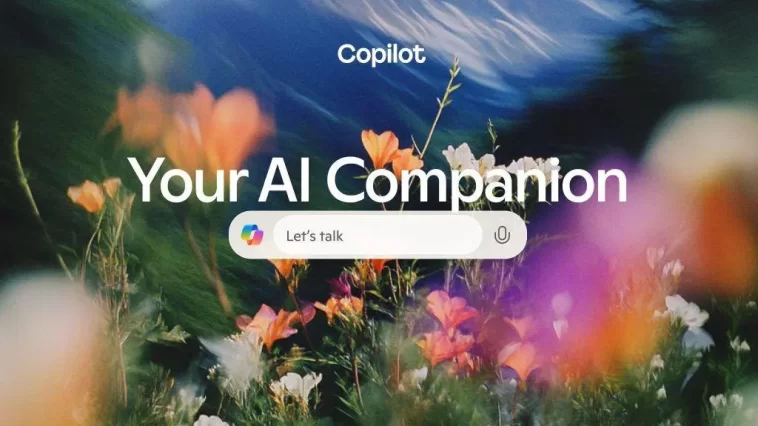
The reaction arrived faster than anyone expected. As news spread about an unremovable Microsoft Copilot installation on LG TVs, a palpable sense of confusion and frustration emerged. The app, unexpectedly pinned to home screens, stirred a blend of disbelief and irritation among users. Many found themselves grappling with the implications of an AI presence in a space traditionally reserved for entertainment. The suddenness of this forced update seemed to disrupt the familiar environment of their living rooms, leaving a lingering discomfort that was hard to shake off.

The initial responses reflected a deep skepticism toward the necessity of such an integration. The notion of an AI “companion” on a television felt not just unnecessary but intrusive. Comments expressed a yearning for simplicity, with some lamenting the loss of straightforward technology, favoring “dumb” TVs that serve a singular purpose. This discomfort was compounded by the feeling that users were being coerced into adopting features they neither asked for nor wanted. The idea that a device designed primarily for viewing entertainment could morph into a platform for AI interaction raised questions about autonomy and user choice in an increasingly interconnected world.
As conversations unfolded, the community’s sentiments ranged from outright disdain to resigned acceptance. Many voiced concerns that this integration was a symptom of a broader trend, one where technology companies relentlessly push their innovations onto consumers, regardless of their actual needs or desires. The phrase “cramming AI down your throat” encapsulated a growing frustration with the perceived overreach of tech giants. The discomfort was palpable, revealing a collective anxiety about the direction of technology and its encroachment into everyday life.
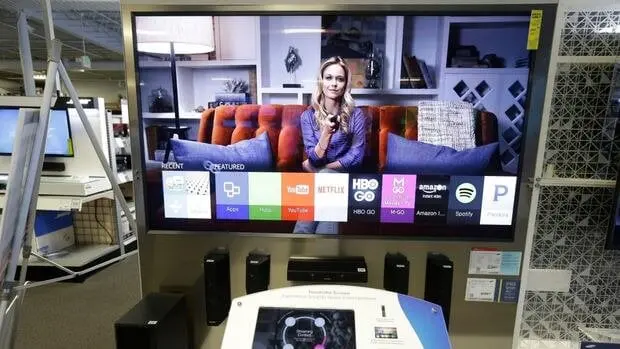
The conversation slowed, but the discomfort remained. Users began to reflect on the implications of such updates not just for their TVs but for the broader landscape of consumer technology. It was not merely about a single app but about a shift in how devices interact with their users. The notion that a TV—typically a passive medium—could become an active participant in daily life raised unsettling questions. What does it mean when a device begins to anticipate our needs, or worse, impose its suggestions? The discussions hinted at a growing unease surrounding privacy and control, with many opting to disconnect their devices entirely rather than engage with features they found intrusive.
In this context, the reactions to the Microsoft Copilot update represent more than just dissatisfaction with a forced installation; they highlight a cultural moment of reckoning. As technology continues to evolve, users wrestle with the implications of these changes on their autonomy and privacy. Even as the discussion quieted, its impact remained unresolved. The tension between user expectations and corporate intentions lingers, leaving individuals to navigate their relationship with technology in uncertain and often uncomfortable ways.
GIPHY App Key not set. Please check settings