

 admin
admin
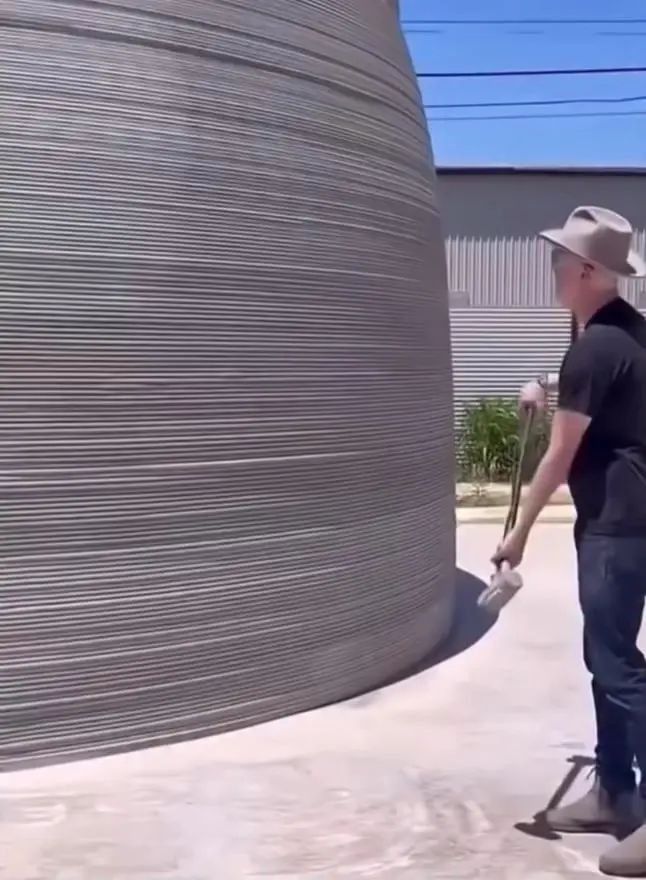
Few people seemed prepared for how strongly it landed. The emergence of 3D printed homes sparked a flurry of reactions, a blend of curiosity and skepticism that unfolded in real-time. There was an undeniable energy in the air, palpable yet difficult to pin down. The tactile nature of the topic—homes, after all—invited a spectrum of responses that ranged from wonderment to apprehension. The conversation felt like a whirlwind, with participants grappling with the implications of a technology that could redefine construction as we know it.

Initial reactions often danced between enthusiasm and disbelief. Some expressed excitement over the potential for concrete structures, noting their strength and durability compared to traditional materials like wood. Others, however, were less convinced, voicing concerns about costs, practicality, and the long wait for tangible examples of this technology. Amidst the flurry of opinions, there was a curious undercurrent of frustration, particularly from those who had been hearing about the promise of 3D printed homes for years without witnessing any real-world applications. The feeling was almost as if a collective breath was held, waiting to see if this concept could finally materialize into something substantial.
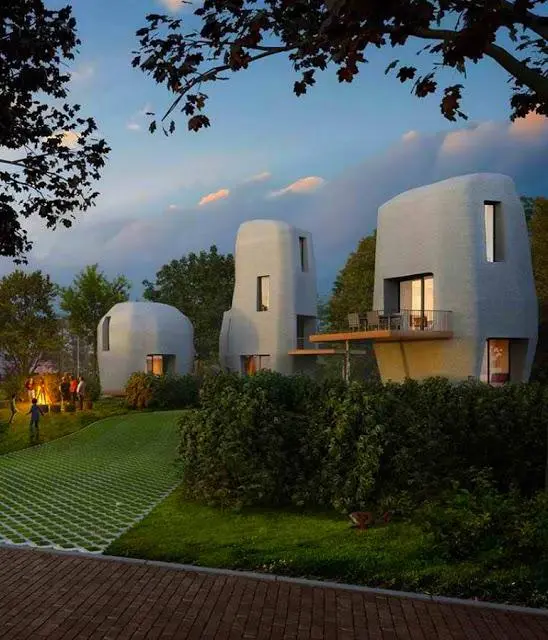
Once the initial reaction passed, the tone shifted noticeably. As discussions progressed, many began to question the viability of these homes in practical terms. Concerns about how they would withstand natural disasters like earthquakes surfaced, alongside practical worries about maintenance and repair. The aesthetic qualities of the designs also drew criticism; some participants highlighted potential cleaning challenges associated with textured surfaces. This amalgamation of voices painted a picture of a community caught between hope and skepticism, striving to reconcile the innovative potential of 3D printing with the realities of homeownership.
This tension between possibility and practicality is emblematic of a broader societal conversation about technology’s role in our lives. The allure of something new often collides with the weight of established norms and expectations. As participants engaged with the topic, it became clear that while the prospect of 3D printed homes might represent a leap forward, it also triggered a deeper reflection on what home means in a rapidly changing world. The notion of strength, both structural and metaphorical, emerged as a focal point—what does it mean for a home to be “strong,” and how does that strength manifest in the everyday lives of those who inhabit these spaces?
As the discussions began to wind down, it was evident that the emotional landscape surrounding this topic remained complex. The interplay of excitement and skepticism left many grappling with their feelings about innovation in housing. Some found themselves yearning for the promise of affordable, durable homes, while others remained anchored in the familiar discomfort of uncertainty. The conversation, rich with varied perspectives, underscored a broader tension between optimism for technological advancement and the grounded realities of human experience.
Even as the discussion quieted, its impact remained unresolved. The lingering questions of cost, design, and practicality sat heavy in the air, a testament to the unease that often accompanies the introduction of disruptive technologies. While the promise of 3D printed homes may inspire awe, it also invites a reflective pause, urging society to consider not just what is possible, but what is desirable in the quest for a new kind of home. The conversation may have shifted, but the resonance of these themes continues to echo in the minds of those who participated, leaving a trail of contemplation in its wake.
GIPHY App Key not set. Please check settings