

 admin
admin
Overview:
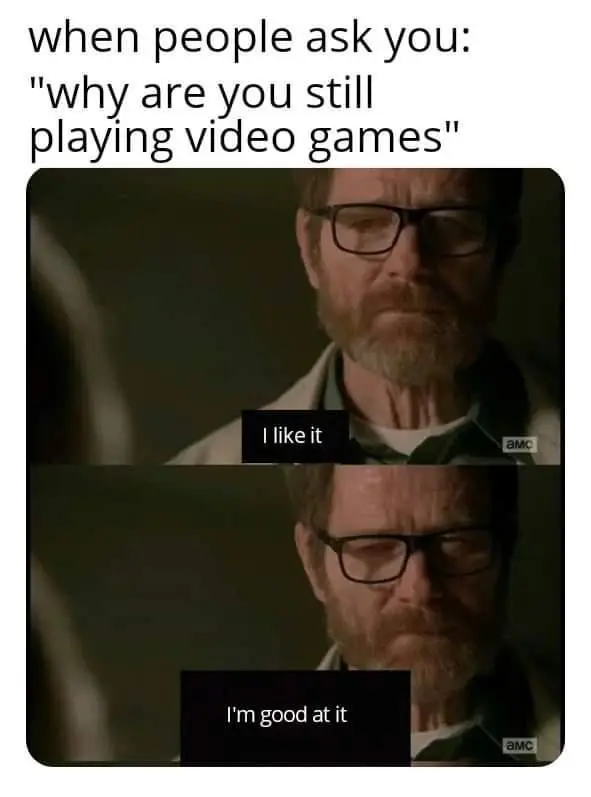
“I’m Good at It” is a catchphrase that became popular in various online communities, often used to express confidence or self-assuredness in a particular skill or activity. The phrase is typically accompanied by a humorous or ironic context, often highlighting the speaker’s overestimation of their abilities.
Origin:
The phrase gained traction from a specific video clip featuring a person confidently declaring, “I’m good at it,” while engaging in a task that is either mundane or humorously misaligned with their assertion. This clip was first shared on social media platforms, where it quickly captured the attention of users due to its relatable and comedic nature.
Spread:
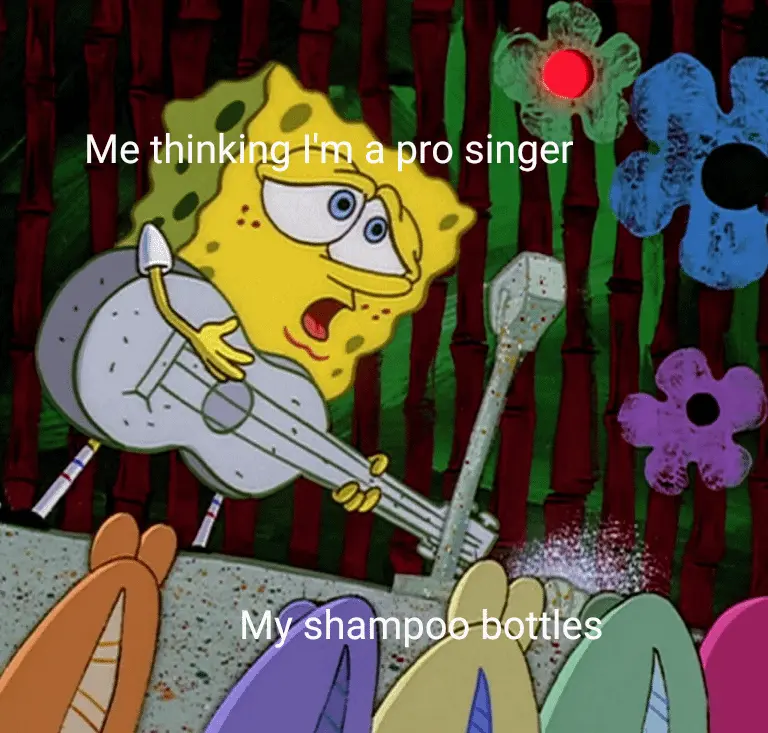
Following its initial posting, the meme began to circulate widely across platforms such as Twitter, TikTok, and Instagram. Users started to create their own variations, often pairing the phrase with different scenarios or images that depict a mismatch between confidence and actual skill level. The meme’s appeal lies in its versatility, allowing it to be applied to a wide range of contexts, from gaming to cooking to sports.
Notable Examples:
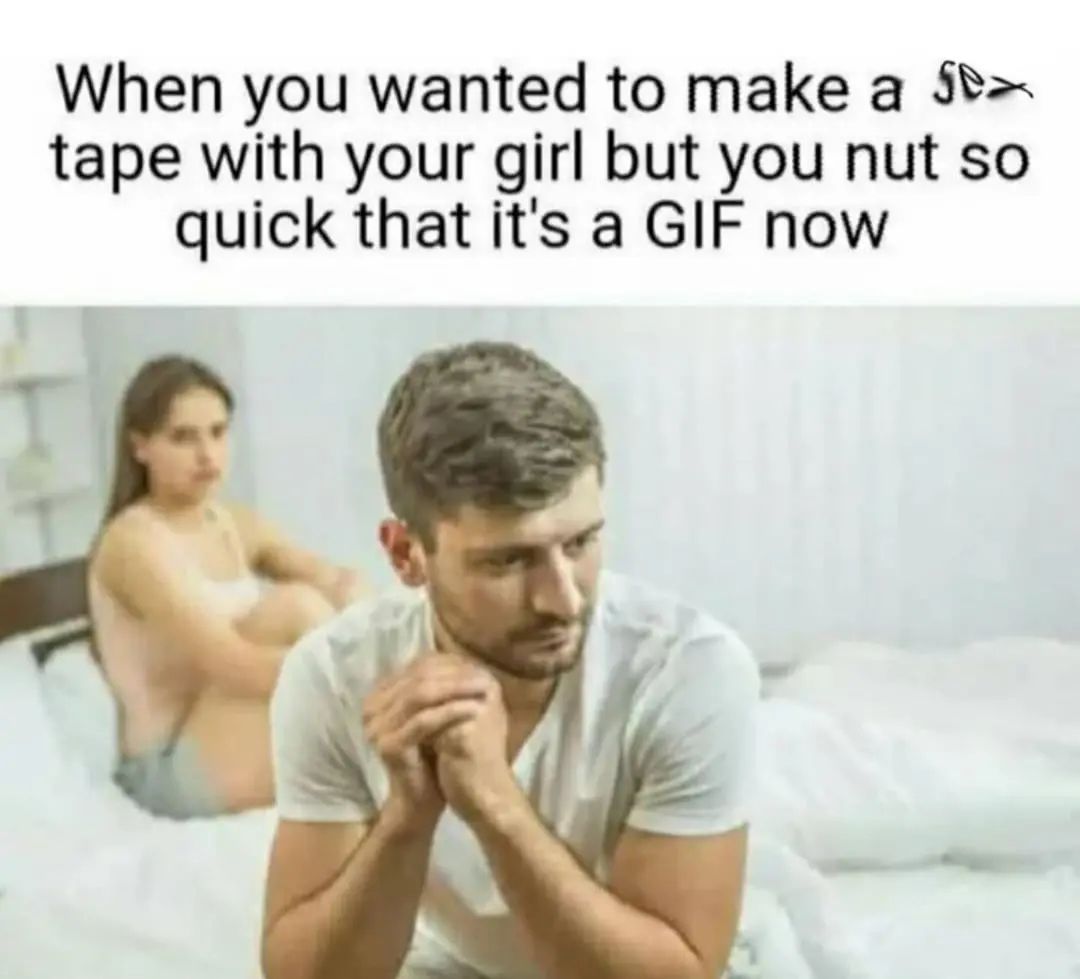
One notable example of the meme features a person attempting to perform a complex dance move while confidently stating, “I’m good at it,” only to fail humorously. Another example includes a user showcasing a disastrous cooking attempt, again declaring, “I’m good at it,” which resonates with many who have experienced similar mishaps in the kitchen. These examples highlight the humor derived from the juxtaposition of confidence and incompetence.
Variants / Remixes:
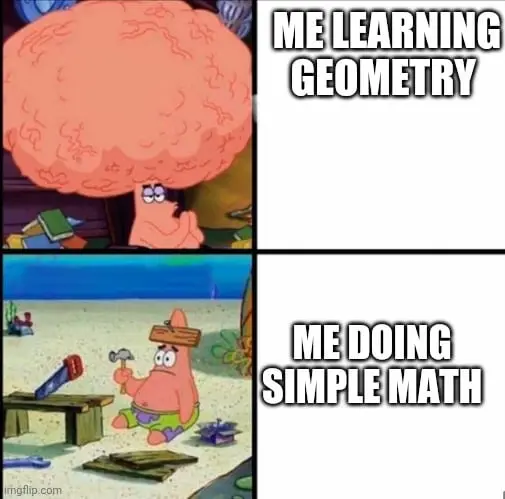
Numerous remixes and adaptations of the original meme have emerged, with users altering the context or medium to fit their experiences. Some variants include text overlays on famous images, GIFs of celebrities making similar confident claims, or even parodies where the phrase is used in exaggerated or absurd situations. The adaptability of the phrase has contributed to its longevity in meme culture.
Summary:
“I’m Good at It” serves as a humorous expression of misplaced confidence, resonating with audiences who appreciate the comedic contrast between assertion and reality. Its origins in a specific video clip have led to widespread adoption and adaptation across various social media platforms, making it a notable entry in contemporary meme culture. The phrase continues to be used in a variety of contexts, showcasing the universal nature of self-deprecation and humor.
GIPHY App Key not set. Please check settings