

 admin
admin
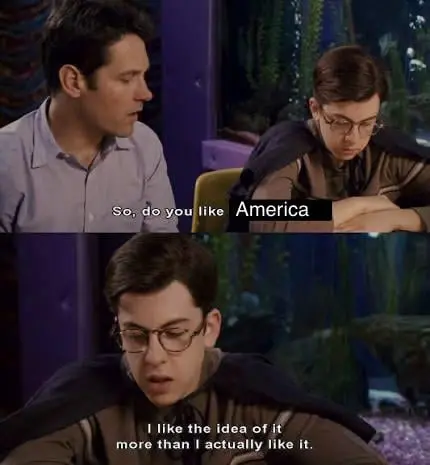
Overview:
“Role Models” is a popular meme format that involves a juxtaposition of images comparing two contrasting figures, typically involving a positive portrayal of an inspirational individual alongside a negative portrayal of a character or person known for undesirable traits or behaviors. The meme often highlights the disparity between admired figures and less admirable choices, making it a tool for commentary on societal expectations, behavior, and the irony surrounding role models in modern culture.
Origin:
The “Role Models” meme format gained traction in late 2020, with origins traced back to various social media platforms where users began creating side-by-side comparisons. The term “Role Models” itself references the concept of individuals who inspire or serve as examples to others, especially in terms of morality or achievement. The meme utilizes this concept to critique or satirize contrasting figures, often by pairing a respected individual with a notorious one. The simplicity and relatable nature of the format allowed it to resonate widely across different online communities.
Spread:
The “Role Models” meme spread swiftly across platforms such as Twitter, Instagram, Reddit, and TikTok. Users began to create and share their own versions, often employing the format to comment on pop culture, politics, and social issues. The easy adaptability of the template, combined with its humorous yet thought-provoking nature, contributed to its popularity. Various hashtags related to the meme further facilitated its dissemination, allowing it to reach diverse audiences.

Notable Examples:
One of the earliest and most recognizable examples of the “Role Models” format features a well-known positive figure, such as a civil rights activist or a scientist, placed alongside a polarizing figure, like a controversial celebrity or a well-known antagonist. These image pairings often spark discussions about morality, societal values, and the impact of public figures on individual behavior. Notable variations have included references to characters from television shows, historical figures, and more recent influencers, adapting the meme to fit current events or pop culture references.
Variants / Remixes:
As the “Role Models” meme continued to evolve, various remixes and variants emerged. Some users opted for humorous takes, employing absurd or surreal choices for the figures in the comparisons, while others focused on more serious societal critiques. Creative adaptations have included using animals, fictional characters, and caricatures, broadening the meme’s appeal. The more flexible format also allowed users to experiment with visuals and captions, sometimes integrating text or additional imagery for comedic effect or enhanced commentary.
Summary:
The “Role Models” meme format serves as a tool for social commentary, highlighting the contrasts between inspirational figures and less respectable ones. Its origins in late 2020 and subsequent spread across major social media platforms demonstrate its ability to resonate with a wide audience. Through notable examples and various adaptations, the meme has not only entertained but also encouraged discussions around ethical behavior and the influence of public personas in shaping societal norms.
GIPHY App Key not set. Please check settings