

 admin
admin

Overview:
“Hate to see it” is a reaction phrase often used in social media contexts to express disappointment or frustration regarding a situation or event. The phrase is typically accompanied by a visual element, such as a reaction image that emphasizes the feeling of exasperation. It is commonly used in response to situations that are perceived as unfortunate.
Origin:
The phrase “Hate to see it” gained popularity in the early 2020s, emerging as a common expression in internet culture. It is often associated with videos and images that depict humorous or unfortunate situations, where the observer feels regret or sympathy for the individuals involved. The exact origin of the meme is difficult to pinpoint, as it surfaced across various social media platforms around the same time.

Spread:
The phrase quickly gained traction on platforms like Twitter, TikTok, and Instagram, particularly within meme communities. Users began pairing the phrase with relevant images or clips to enhance comedic effect. The meme’s relatability contributed to its viral spread, as it resonated with many who experienced similar feelings in everyday life.
Notable Examples:
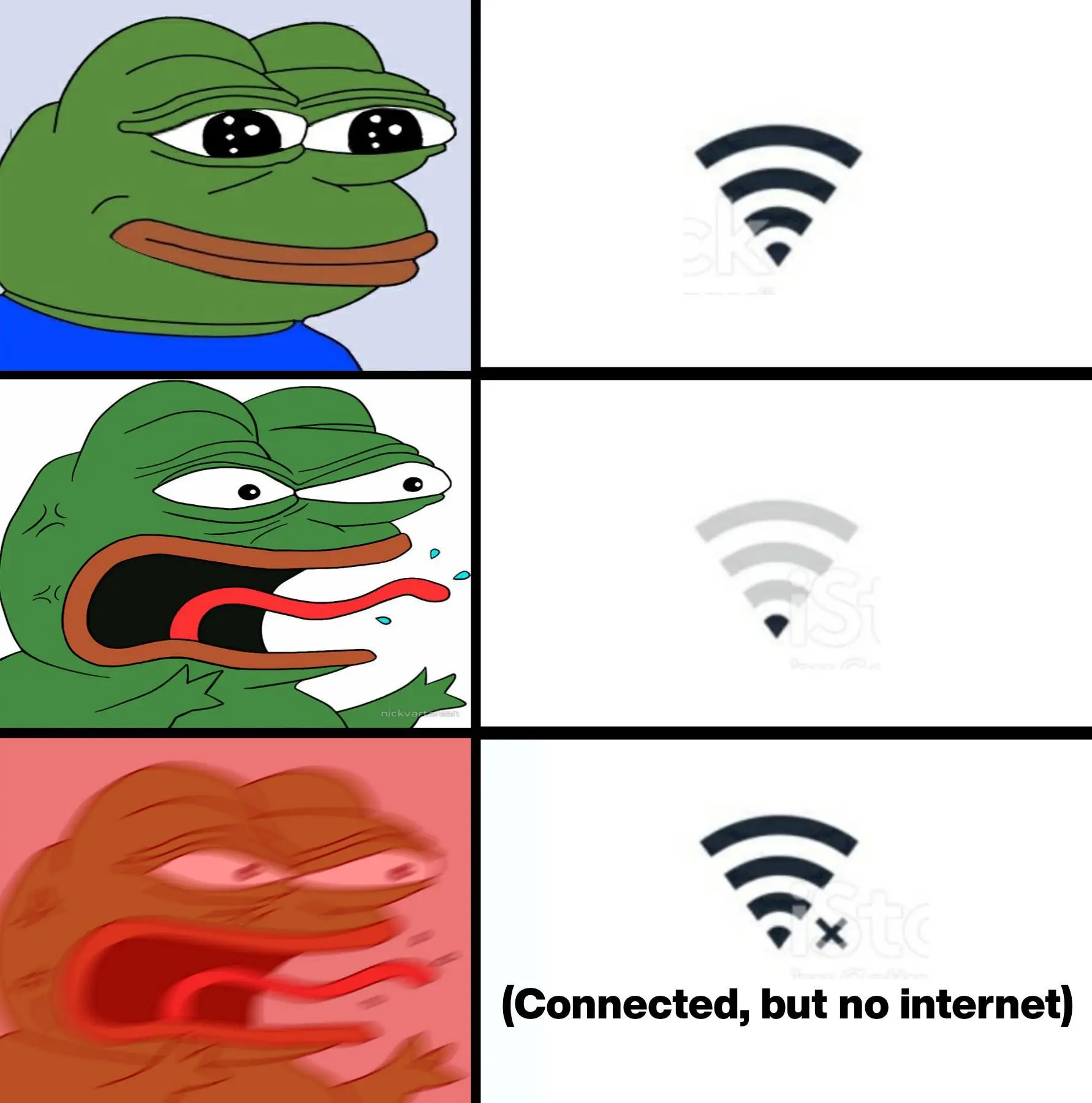
One of the most recognizable images associated with “Hate to see it” features an expressive facial reaction, amplifying the sense of disappointment. Users often share this image when commenting on events such as sports losses, awkward social interactions, or other mishaps. These instances showcase the versatility of the phrase in various contexts.
Variants / Remixes:
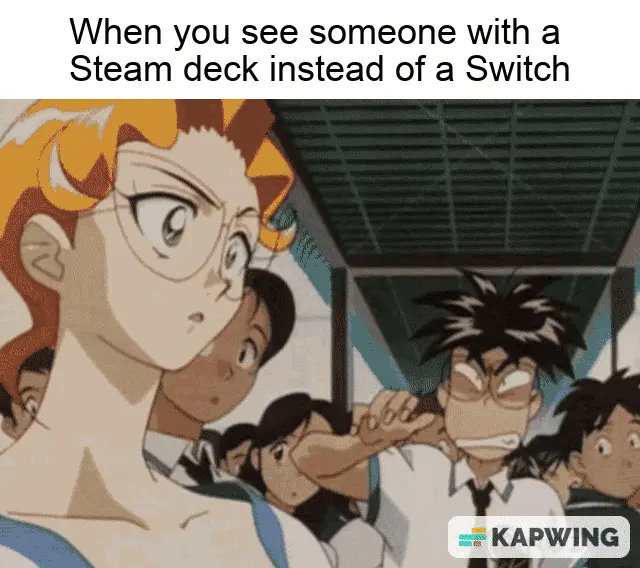
As the meme evolved, several variants emerged, including alterations to the original image or text. Some users have created GIFs or short videos that encapsulate the sentiment, while others have integrated the phrase into other popular formats, such as dialogue captions or image macros. These adaptations reflect the creativity of the online community and the meme’s adaptability to different situations.
Summary:
“Hate to see it” has become a common expression within internet culture, encapsulating feelings of disappointment and exasperation. Its origins lie in the collective sharing of relatable reactions to unfortunate events, and its spread has been facilitated by the visual nature of meme culture. By combining a straightforward phrase with expressive imagery, “Hate to see it” continues to resonate with audiences, illustrating the humor found in life’s disappointments.
GIPHY App Key not set. Please check settings