

 admin
admin
Overview:
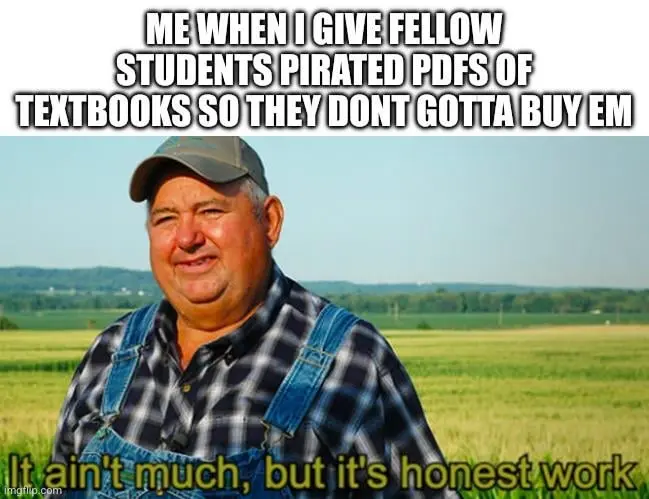
“I hate textbook companies” is a phrase that captures a widespread sentiment among students and educators regarding the high costs and perceived shortcomings of traditional textbook publishers. This phrase is often used in memes and social media posts that highlight frustration over textbook prices, the frequent updates to editions, and the limited accessibility of materials.
Origin:
The phrase gained traction in the early 2010s, coinciding with the rise of digital education and a growing public discourse surrounding the affordability of education. Many students began vocalizing their dissatisfaction with textbook companies on various platforms, leading to the creation of memes that encapsulated this sentiment. The specific meme referencing the phrase features a relatable image often paired with text that reinforces the frustration students feel about textbook expenses.
Spread:
The “I hate textbook companies” meme began to circulate primarily on platforms like Reddit, Twitter, and Instagram, where users shared their personal experiences regarding academic materials. As the conversation around higher education and affordability grew, so did the popularity of this meme. Educational hashtags and student-specific communities contributed to its virality. It evolved into a recognizable shorthand for critiquing the academic publishing industry.
Notable Examples:
One notable example includes a meme featuring a stock photo of a student looking overwhelmed by a pile of textbooks, captioned with “I hate textbook companies.” Another example shows a humorous comparison between the price of textbooks and other high-cost items, emphasizing the absurdity of textbook prices. These examples have resonated with many, fostering a sense of community among those who share similar frustrations.
Variants / Remixes:
As the meme spread, numerous variants emerged, including adaptations that mock specific textbook titles or companies. Some remixes involve incorporating popular memes formats, like the Drakeposting or “Distracted Boyfriend” templates, to juxtapose the high costs of textbooks with alternative, often free resources. These remixes serve to emphasize the absurdity of the traditional publishing model while resonating with the collective experience of students.
Summary:
“I hate textbook companies” succinctly expresses a common grievance among students regarding the pricing and accessibility of educational materials. The phrase has become emblematic of a larger conversation about educational reform and the need for more affordable resources. Through its various iterations and widespread appeal, the meme has shed light on the challenges students face, fostering a humorous yet critical dialogue about the academic publishing industry.
GIPHY App Key not set. Please check settings