

 admin
admin
Overview:
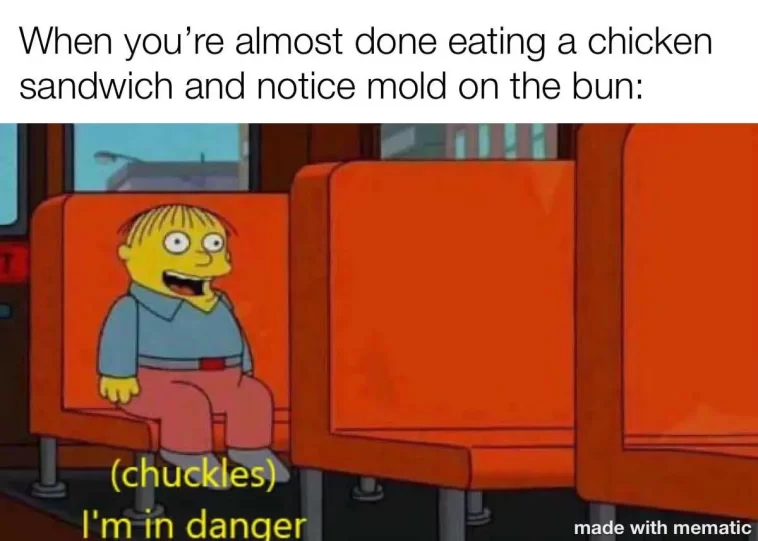
“I hope it wasn’t that much mold” is a phrase featuring a concerned or incredulous reaction, often paired with an image or video clip expressing disbelief or discomfort. The phrase is typically used in contexts where something appears undesirable or unpleasant, prompting a humorous concern over its state of cleanliness or quality, particularly regarding food or other consumable items that might be spoiled.
Origin:
The phrase originated from a social media post that featured an image of moldy food, accompanied by the caption “I hope it wasn’t that much mold.” The image illustrated a bread loaf covered in a significant amount of mold, evoking a visceral reaction in viewers. The original post circulated widely, as users shared their own reactions to the unappealing visuals, leading to the phrase becoming a popular reference in discussions about food safety and cleanliness.
Spread:
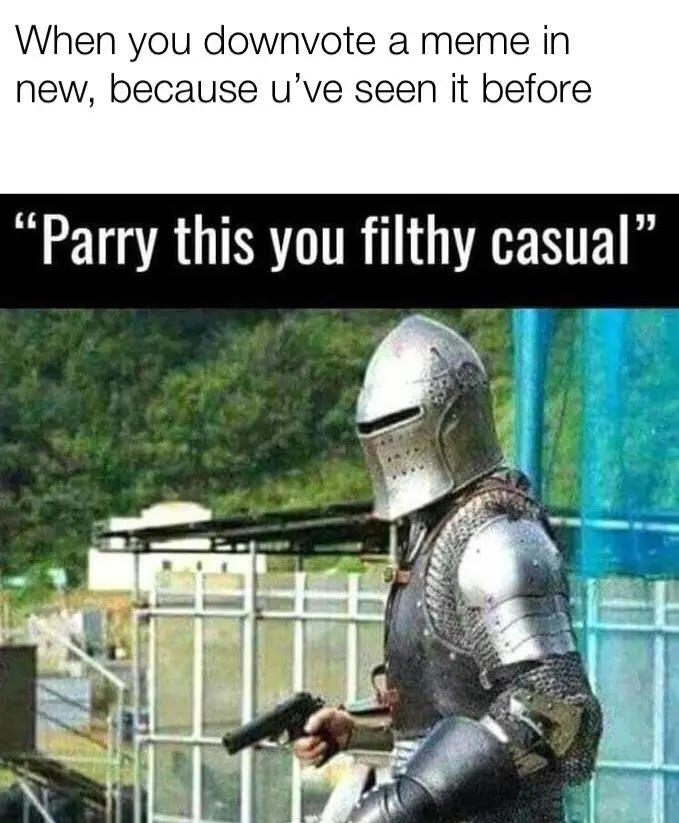
After its initial appearance, the phrase gained traction on platforms like Twitter, Instagram, and Reddit, where users began to adapt and repurpose it in various contexts. The meme’s relatability contributed to its spread, as many people could identify with the shock associated with encountering spoiled food. This relatable reaction resonated with internet users, leading to additional shares, posts, and remixes that kept the meme circulating in online circles.
Notable Examples:
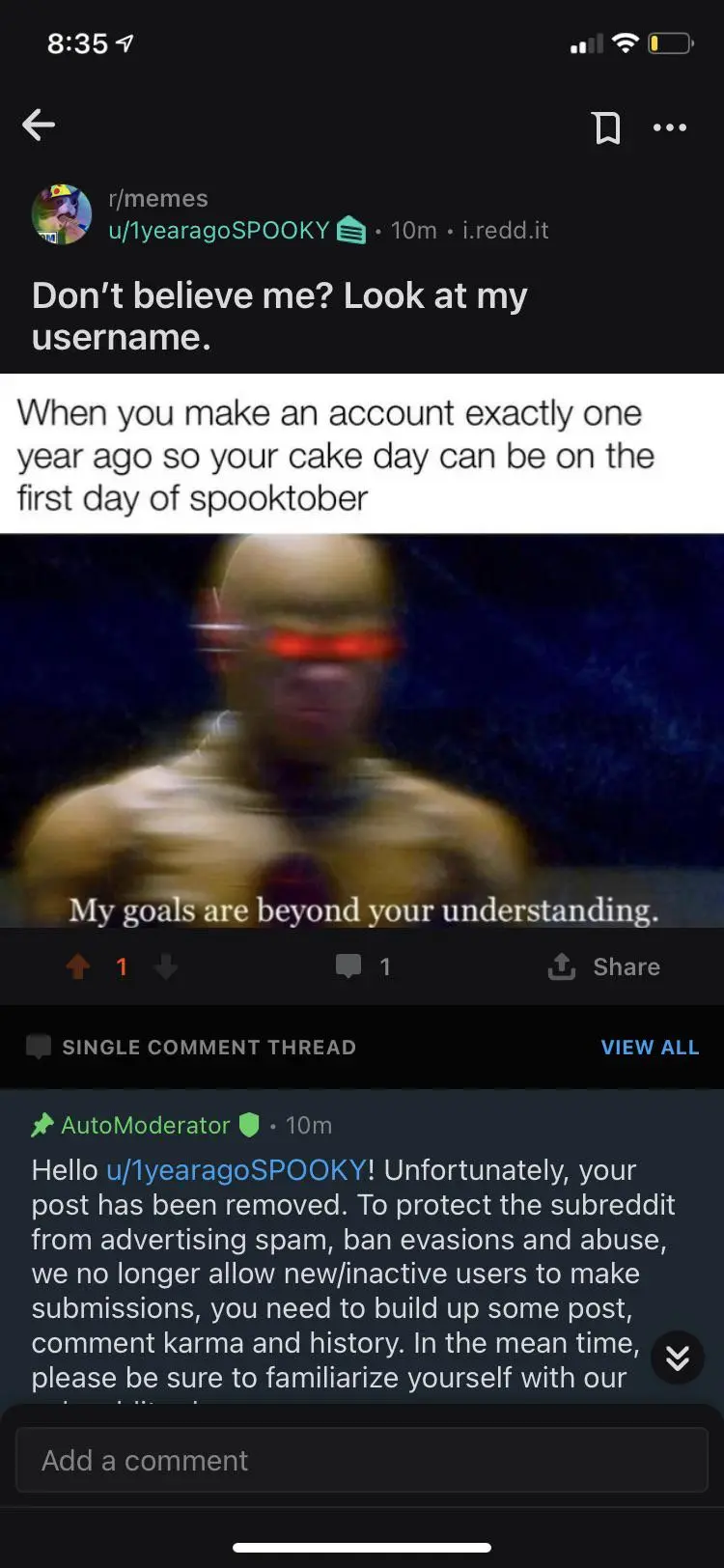
One notable example includes a post where the phrase is applied to an image of a questionable-looking dish, prompting replies expressing disbelief or invoking humorous scenarios about the food’s preparation and potential repercussions. Other examples include humorous adaptations of the phrase in comment sections where individuals react to strange culinary experiments or outrageous food combinations, further embedding its use in meme culture.
Variants / Remixes:
The meme has inspired various remixes, including alterations of the original phrase to fit different contexts. Variants may include changes in the food item depicted or adjustments to the wording to reflect a broader range of unfortunate conditions—such as “I hope it’s not supposed to look like that” or “Was that still good to eat?” Each version maintains the core sentiment of incredulity over a potentially disastrous food situation, allowing users to creatively express their reactions across different media.
Summary:
“I hope it wasn’t that much mold” has become a recognizable phrase within meme culture, stemming from a meme based on an alarming visual representation of moldy food. Its spread across social media platforms highlights a shared cultural awareness of food safety and the humorous elements of shock. The meme’s adaptability allows it to be remixed and applied in diverse contexts, ensuring its continued relevance and engagement among users.
GIPHY App Key not set. Please check settings