

 admin
admin
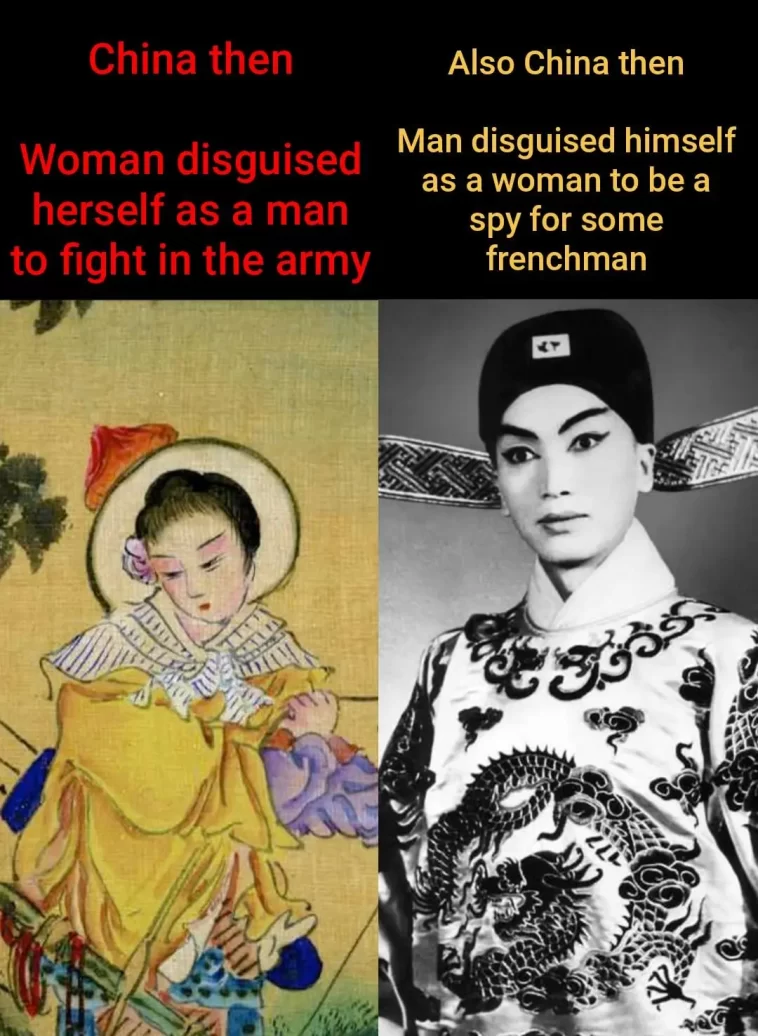
Title: Crossdressing has been prevalent through history, just way more popular nowadays
Overview: Crossdressing, the act of wearing clothing traditionally associated with the opposite gender, has a rich and varied history across cultures and time periods. While historically, crossdressing has occurred for reasons ranging from theatrical performance to cultural rituals, it has gained a notable presence in modern society, largely attributed to shifts in societal norms regarding gender and identity. The phenomenon has become more widely accepted and visible, often celebrated in contemporary media and online platforms, driving discussions about gender expression and fluidity.
Origin: The practice of crossdressing is not a modern invention; it can be traced back thousands of years. In many ancient cultures, such as in Japan with Kabuki theater or during the Roman Empire with male actors portraying female roles, crossdressing served artistic and societal functions. In Shakespearean England, women were not permitted to perform on stage, leading male actors to dress as women. Crossdressing has also appeared in various religious and cultural contexts, including ritual practices where gender roles are temporarily inverted.
Spread: With the rise of social movements advocating for LGBTQ+ rights, discussions around gender identity and expression have become more pronounced, leading to greater visibility of crossdressing in contemporary culture. From drag performances to fashion choices that blur gender lines, crossdressing has evolved into a form of self-expression. The internet has played a significant role in this evolution, allowing individuals to share their experiences and creative expressions, thus normalizing crossdressing and fostering communities across platforms.
Notable Examples: Some notable instances of crossdressing in media include iconic figures like drag queens RuPaul and Divine, who have brought mainstream attention to the practice through television and film. Popular television shows such as “Drag Race” and movies like “To Wong Foo, Thanks for Everything! Julie Newmar” celebrate crossdressing, showcasing it as an art form. Moreover, social media influencers and content creators frequently use crossdressing to challenge traditional gender norms and advocate for self-acceptance.
Variants / Remixes: Within the broader concept of crossdressing, several subcultures have emerged—including drag culture, where performance art and gender play are central, and transvestism, which may involve individuals who dress in clothing of an opposite gender primarily for personal enjoyment rather than performance. The concept of “genderfluidity” has also gained traction, where individuals might express their gender identity through a dynamic mix of clothing and presentation that shifts over time.
Summary: Crossdressing serves as a reflection of evolving cultural attitudes toward gender and identity. While the practice has existed throughout history, contemporary society has witnessed a notable increase in its visibility and acceptance. With various forms of expression—ranging from theatrical performances to online representation—crossdressing continues to challenge and redefine notions of gender, encouraging broader discussions about identity and self-expression in a diverse world.
GIPHY App Key not set. Please check settings