

 admin
admin

The online conversation around movie scenes that prompted actual walkouts in theaters
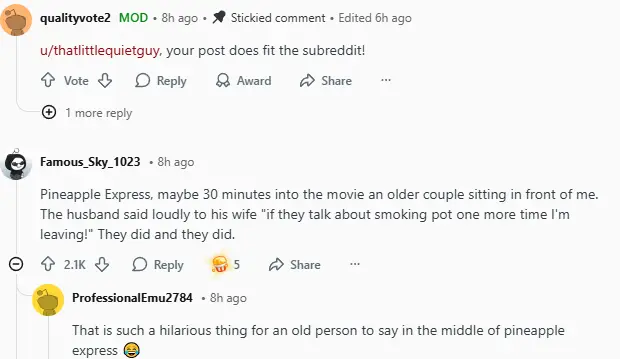
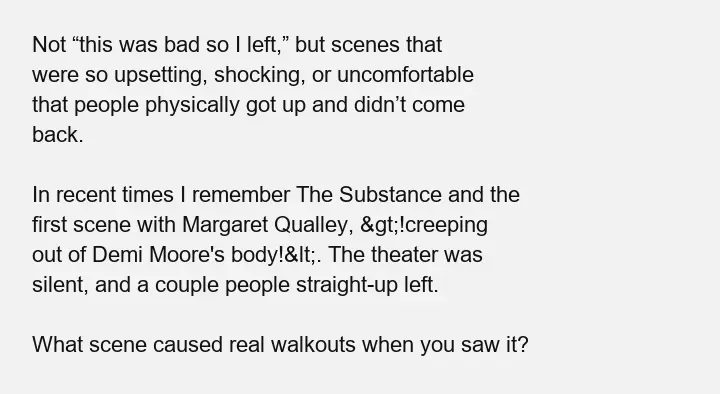
has really gained traction lately. It’s one of those topics that makes people reminisce about their own experiences, or just marvel at how a film can stir up such raw emotions that viewers decide they’ve had enough, right then and there. It’s especially surprising when the off-putting moments aren’t just about poor storytelling, but rather scenes that are just downright disturbing or uncomfortable.

This chatter kicked off with mentions of some recent films, like The Substance. Picture this: a serene theater atmosphere suddenly shattered as Margaret Qualley’s character, in a truly horrific moment, emerges from Demi Moore’s body. The scene hit like a punch to the gut, and the quiet, tense ambiance in the room didn’t stay that way for long. A couple of people just got up and left. Reports spread across social media, and before long, tales of outraged or horrified audiences started flooding in.
As discussions around these walkouts spread, certain scenes became infamous. It’s fascinating how people are willing to sit through countless action sequences or melodramatic plots, yet a single moment of unexpected horror can send them to the exit. Reddit threads started popping off with stories of walkouts that ranged from cringe-worthy to downright gruesome, adding an extra layer of intrigue to an already intense viewing experience. These moments became touchpoints for shared experiences, as people weighed in with similar stories, either confessing to their own hasty exits or liking the idea of authors pushing boundaries.
The emotional response surrounding this topic reveals a larger sentiment—that collective gasp and acknowledgment when something crosses th
e line. There seems to be a sort of camaraderie among those who’ve experienced the chaos of a sudden walkout, sparking discussions that veer into territory like, “Can filmmakers really go too far?” or “What makes a scene worthy of leaving the theater?” Those lingering feelings of discomfort and disbelief create a fascinating thread in the fabric of movie-watching culture. It makes one think about the limits that audiences set for themselves and how the intent behind those shocking scenes plays with viewer expectations.
Each story shared amplifies the feeling that maybe these moments are much more than just bad decisions made in the d
ark; they reveal the power of cinema to evoke real visceral reactions, for better or worse. And while the conversations continue to flow, it leaves one wondering what the next truly shocking moment in film will look like and how audiences will respond.
GIPHY App Key not set. Please check settings