

 admin
admin
So, TikTok recently came under fire for blocking mentions of Jeffrey Epstein, any anti-Trump content, and criticism of ICE. Just when users thought they’d seen everything, this happened, spurring a wave of reactions online. The situation unfolded almost quietly at first, but once people caught wind of it, it became an unexpected hot topic that everyone couldn’t stop discussing.
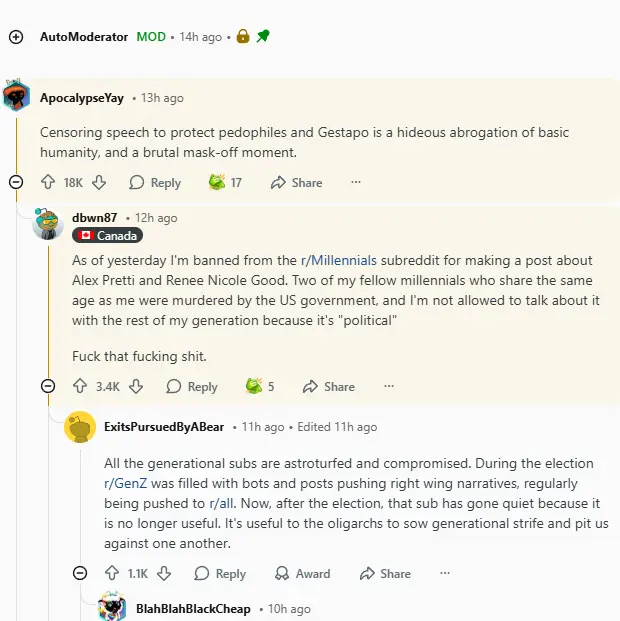
It all started when a few TikTok users noticed that their posts mentioning Epstein or criticizing Trump’s policies and ICE were flagged or removed altogether. Initially, it seemed like just another glitch, but as more people realized it wasn’t a one-off thing, chatter began to spread across social media platforms, especially on Reddit, where digital finger-pointing turned into a full-scale commentary on censorship and the platform’s policies.
The vibe quickly shifted with users expressing their disbelief. Some were rolling their eyes, while others were outright angry and it was fascinating how people coalesced over this. A lot of comments echoed a similar disbelief, pointing out the absurdity of blocking things that everyone seemingly knows. It became a collective “Can you believe this?” moment, and it wasn’t just a few individuals fired up; the conversation snowballed as threads filled with memes, rants, and what-ifs. People really leaned into the idea that TikTok had some sort of agenda, whether they were for or against the platform.
Comments reflected a frustrating realization that even platforms like TikTok, often seen as a place for carefree content, might not be as open as many thought. The backlash range was wild—some people were sarcastically suggesting that maybe TikTok should just delete the entire concept of history, while others voiced concern about freedom of expression. It felt like participants were gathering on a virtual soapbox, waving their digital flags on the matter, yet the whole thing seemed to muddle into a confusing mix of opinions.
Ultimately, it’s hard not to see this as part of a larger conversation about where speech ends and censorship begins. People are still hovering over the topic, many seemingly perplexed by the disconnect between what are often beloved trends on the app and its restrictive measures. The discussions were alive and wild—laughing, fuming, and questioning how many more layers this whole sphere of social media and content creation has. TikTok might have thought it was keeping things under wraps, but instead, it just opened the floodgates for a deep dive into what everyone thinks should be out there—or not.
GIPHY App Key not set. Please check settings