

 admin
admin
Overview:
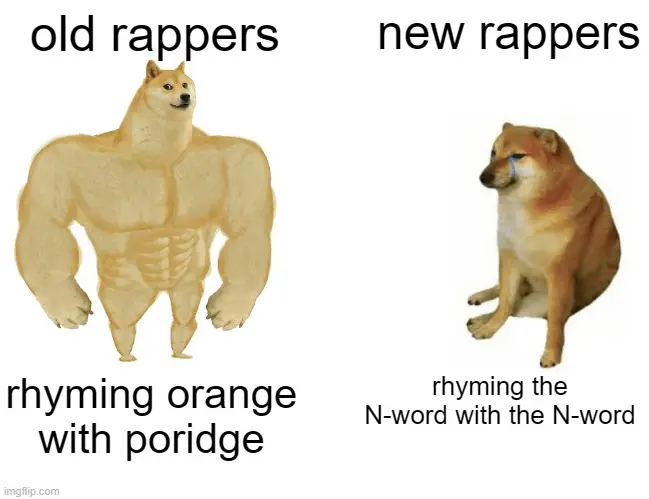
The “lame meme” is an internet meme format that plays on the concept of a joke or meme that is intentionally unfunny or disappointing. It often reflects a sense of irony or self-awareness regarding the nature of humor, emphasizing that despite its lack of comedic value, it still merits attention for its absurdity. Typically, “lame memes” utilize simple imagery and minimal captions to convey their themes of blandness or lack of originality.
Origin:
The origins of the “lame meme” phenomenon can be traced back to the wider context of meme culture, especially the rise of ironic and meta-humor on platforms like Reddit, Twitter, and Tumblr. The meme format gained popularity around the early 2010s as users began to embrace the notion of humor derived from the unexpected or the mundane. The specific term “lame meme” aligns with earlier meme trends that sought to subvert traditional comedic structures, with roots found in formats that highlight the absurdity of low-effort humor.

Spread:
The spread of “lame memes” can be attributed to social media platforms where sharing and remixing are common practices. As users created and shared their own versions, the meme gained traction on sites like Instagram and TikTok, where visual content is prominently featured. The simplicity of the format allows for easy replication, leading to a wide variety of interpretations. The “lame meme” format has also been adopted by various online communities, where users create collections or threads dedicated to celebrating the humor found in lackluster or “lame” content.
Notable Examples:
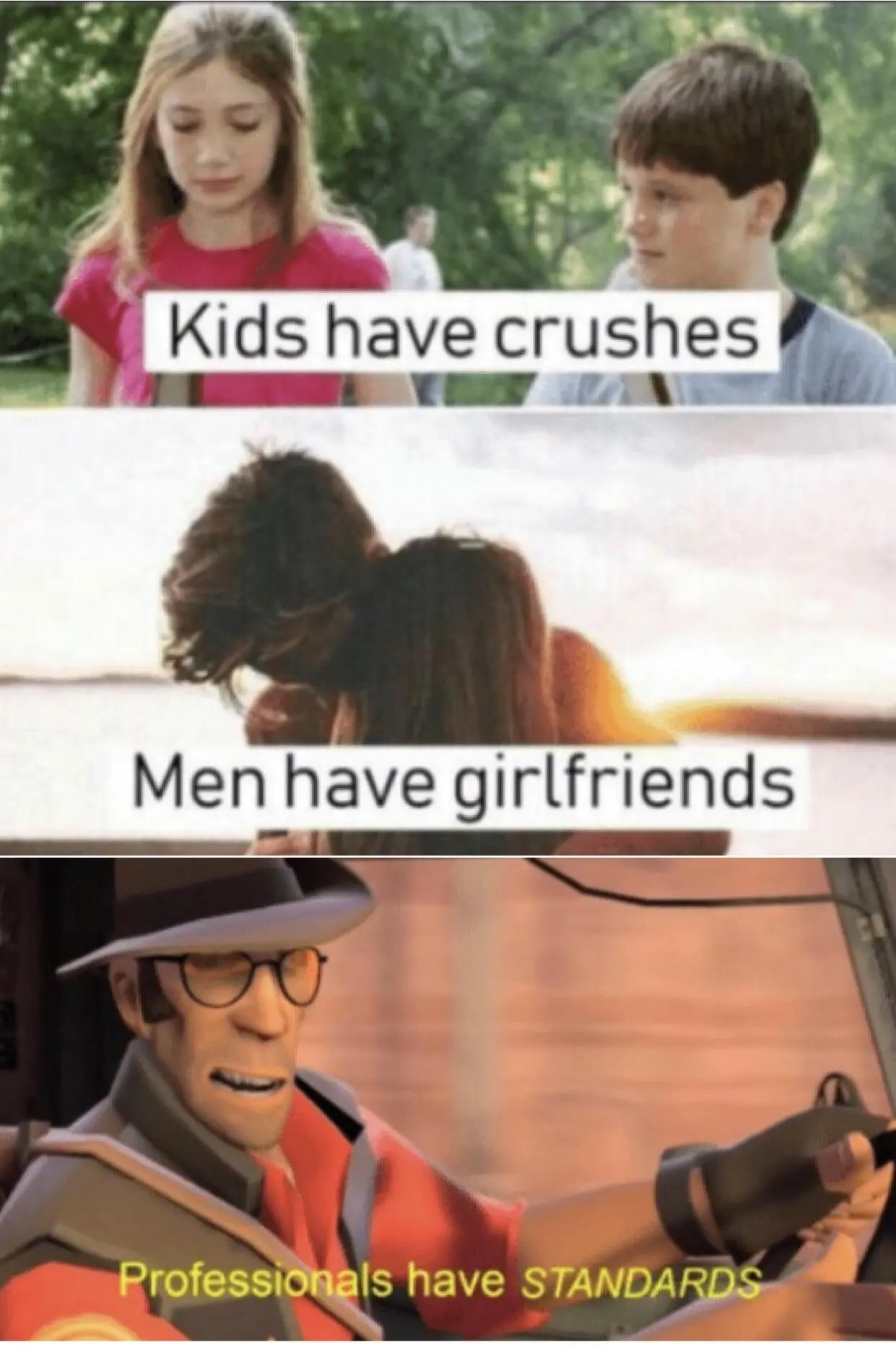
One of the notable examples of “lame memes” includes simple image macros accompanied by captions that are intentionally weak or absurd. For instance, an image of a cat looking disinterested with the caption “This is a cat. Cats exist.” exemplifies the essence of a “lame meme.” Other examples often feature everyday objects or situations alongside captions that describe them in the most boring or literal way possible, highlighting the humor in their banality.
Variants / Remixes:
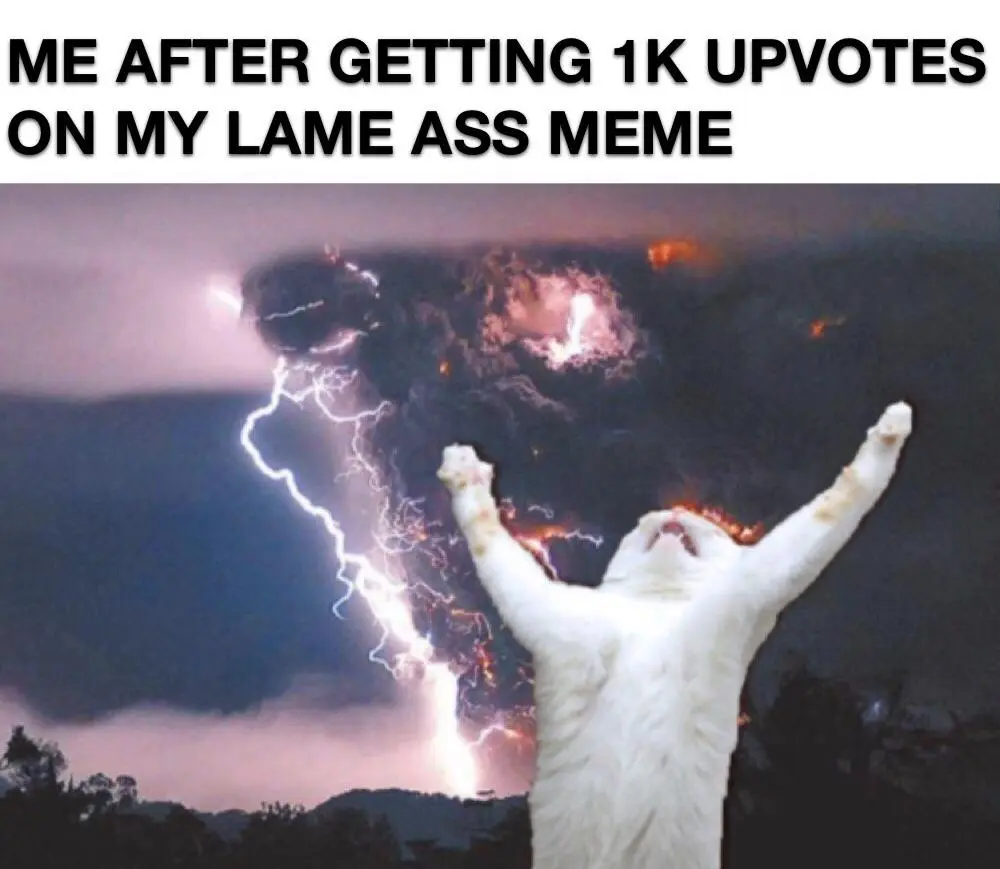
As with many meme formats, “lame memes” have spawned numerous variants and remixes. These adaptations may include alterations in style, such as using different types of imagery (e.g., stock photos, drawings) or varying the format of the caption (e.g., incorporating multiple languages or unusual fonts). Some remixes integrate existing memes into a “lame” context, using a well-known meme image but pairing it with a particularly dull caption to subvert expectations.
Summary:
The “lame meme” is a deliberate embrace of unfunny humor that reflects the evolving landscape of online comedy. By prioritizing irony and absurdity, it captures the interest of audiences who appreciate humor derived from the mundane or overtly straightforward. Its spread across social media platforms has led to a variety of adaptations, reinforcing its place within the broader context of meme culture as users continue to explore the boundaries of humor and creativity.
GIPHY App Key not set. Please check settings