

 admin
admin
Overview:
“2026 might not be bad after all” is a phrase and meme that emerged online, expressing a sense of ironic optimism about the future. It is often used to contrast the prevailing pessimism associated with current events and societal challenges, projecting a humorous, hopeful perspective on the distant future. The phrase has become a caption for various images and memes that depict adverse situations or commentary about the present, juxtaposed with an unexpected positive twist regarding what may lie ahead.
Origin:
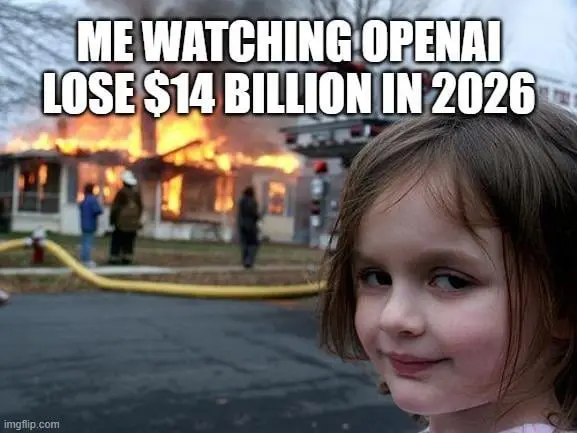
The exact origin of “2026 might not be bad after all” can be traced back to social media platforms in late 2023, where users began to express their weariness with the difficulties of contemporary life and the myriad of global problems facing society. The phrase gained traction as users sought to lighten the mood amidst common frustrations, turning to humor and sarcasm as coping mechanisms. The specific image associated with the meme, which features a person conveying exaggerated optimism in a seemingly grim setting, was first shared in November 2023, contributing to the meme’s viral status.
Spread:
Following its initial emergence, the meme quickly spread across various platforms, including Twitter, Reddit, and Instagram. With the accompanying image often shared alongside the phrase, internet users began creating their own versions, adapting the template to reflect personal experiences or current events. The meme resonated with a broad audience, leading to its incorporation into discussions regarding future prospects, particularly in light of ongoing political, environmental, and social challenges. By early 2024, it had achieved widespread familiarity, becoming a staple reference in humorous discussions about the future.
Notable Examples:
One of the most notable instances of this meme involved the use of political imagery, where users paired news headlines about crises with the caption “2026 might not be bad after all.” In another example, images depicting densely polluted urban landscapes captioned with the phrase created a stark contrast between the bleak present and the aspirational future. These examples highlight how the meme functions both as satire and as a form of hope, providing relief through humor.
Variants / Remixes:
Numerous variants and remixes of the “2026 might not be bad after all” meme have emerged, with users modifying the caption or the imagery to suit different contexts. Some versions include alternative years or phrases, such as “2030 might not be bad after all,” while others remix the format by using images of animals, nature, or pop culture references to communicate a similarly ironic optimism. These variations highlight versatility in meme culture, as users continue to adapt the concept to reflect new situations and collective sentiments.
Summary:
“2026 might not be bad after all” serves as a meme that encapsulates a unique blend of irony and positivity amidst a backdrop of global uncertainty. By allowing individuals to project hope onto a future that might seem bleak today, it offers a humorous lens through which to view contemporary frustrations. As this meme continues to spread and evolve, it remains a poignant reminder of the human capacity for optimism, even in challenging times.
GIPHY App Key not set. Please check settings