

 admin
admin
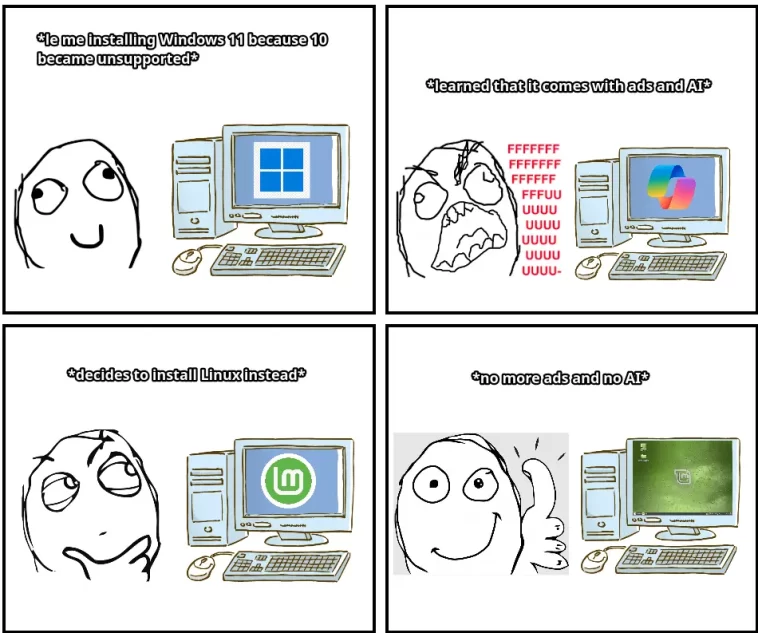
Overview:
Rage comics are a form of webcomics that originated on the internet in the late 2000s. These comics typically feature simple, hand-drawn characters and are used to express various emotions or situations, often in a humorous or relatable way. The characters in rage comics, known as “rage faces,” have become iconic and are easily identifiable by their exaggerated expressions and crude art style. Rage comics hold a special place in the hearts of many internet users who fondly remember them as a significant part of early meme culture.
Origin:
Rage comics originated on the 4chan imageboard around 2007. The first rage comic is commonly credited to a user who created a four-panel comic featuring the “Rage Guy” character. This character is depicted with a frustrated expression, usually accompanied by the text “FFFFFUUUUU,” representing his anger at minor inconveniences. The simplistic nature of these comics made them easy to create and adapt, leading to a proliferation of user-generated content and the creation of a wide range of relatable scenarios.
Spread:
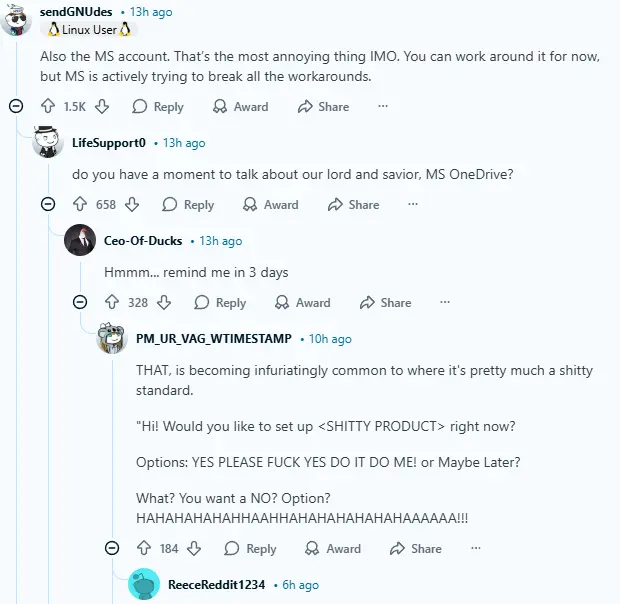
Rage comics rapidly gained popularity across various internet platforms, including Reddit, 9gag, and Tumblr. Their simplicity and relatability made them an accessible form of expression for many users. Dedicated subreddits like r/fffffffuuuuuuuuuuuu and r/ragecomics were established, where users could share their creations and enjoy the work of others. As the meme genre grew, numerous rage faces were developed, each representing different emotions or reactions, further expanding the rage comic universe.
Notable Examples:
Some of the most notable rage faces include:
– Rage Guy (FFFFFUUUUUU): Represents frustration or rage.
– Trollface: A mischievous character used to denote trolling or pranking.
– Forever Alone: Depicts loneliness and isolation.
– Y U NO Guy: Used to express frustration at why something is not a certain way.
– Me Gusta: Conveys a perverse pleasure in something.
Each of these rage faces became templates for countless rage comics, allowing users to easily convey their thoughts and feelings.
Variants / Remixes:
Over time, rage comics evolved and splintered into various sub-genres and remixes. Some notable variants include:
– Advice Animals: Memes featuring animals with humorous captions, often set up in a way similar to rage comics.
– Wojak/Feels Guy: Another simplistic, hand-drawn character used to express introspective or melancholic feelings.
– Reaction Images: Single-panel versions of rage faces used in comment sections to convey reactions quickly.
These variants maintained the spirit of rage comics while offering new ways for users to express themselves creatively.
Summary:
Rage comics occupy a nostalgic niche within internet culture, remembered fondly by those who participated in their creation and dissemination. Their simple art style and the universality of their themes made them a beloved way to share humor and relatable moments. Though the popularity of rage comics has waned in favor of newer meme formats, their impact remains significant, and they continue to be a cherished memory for many who grew up with the internet.
GIPHY App Key not set. Please check settings